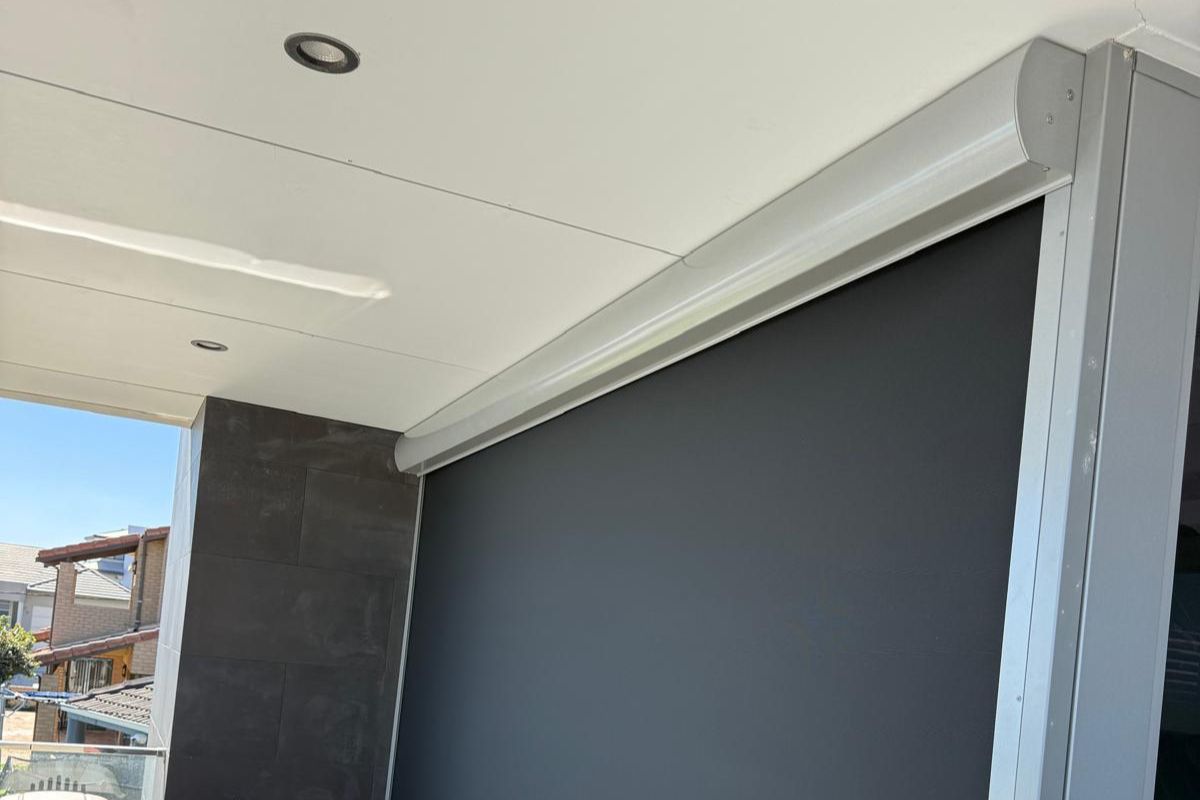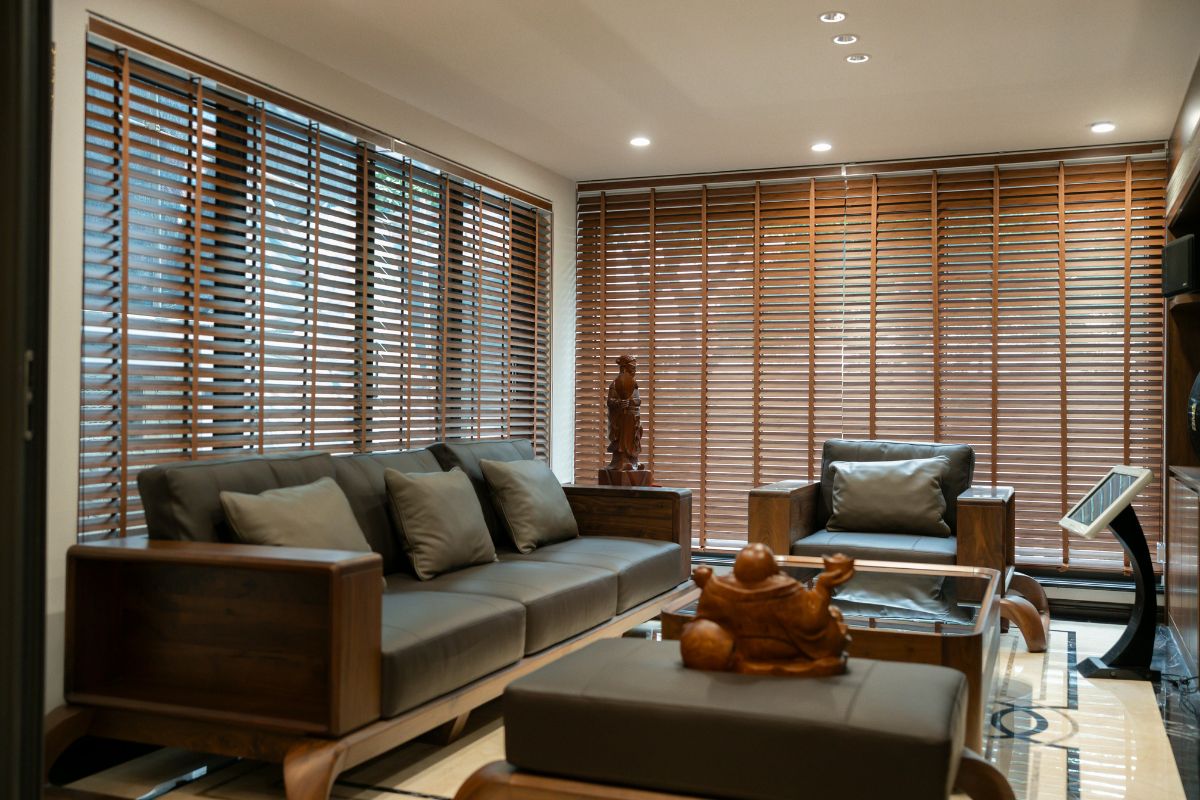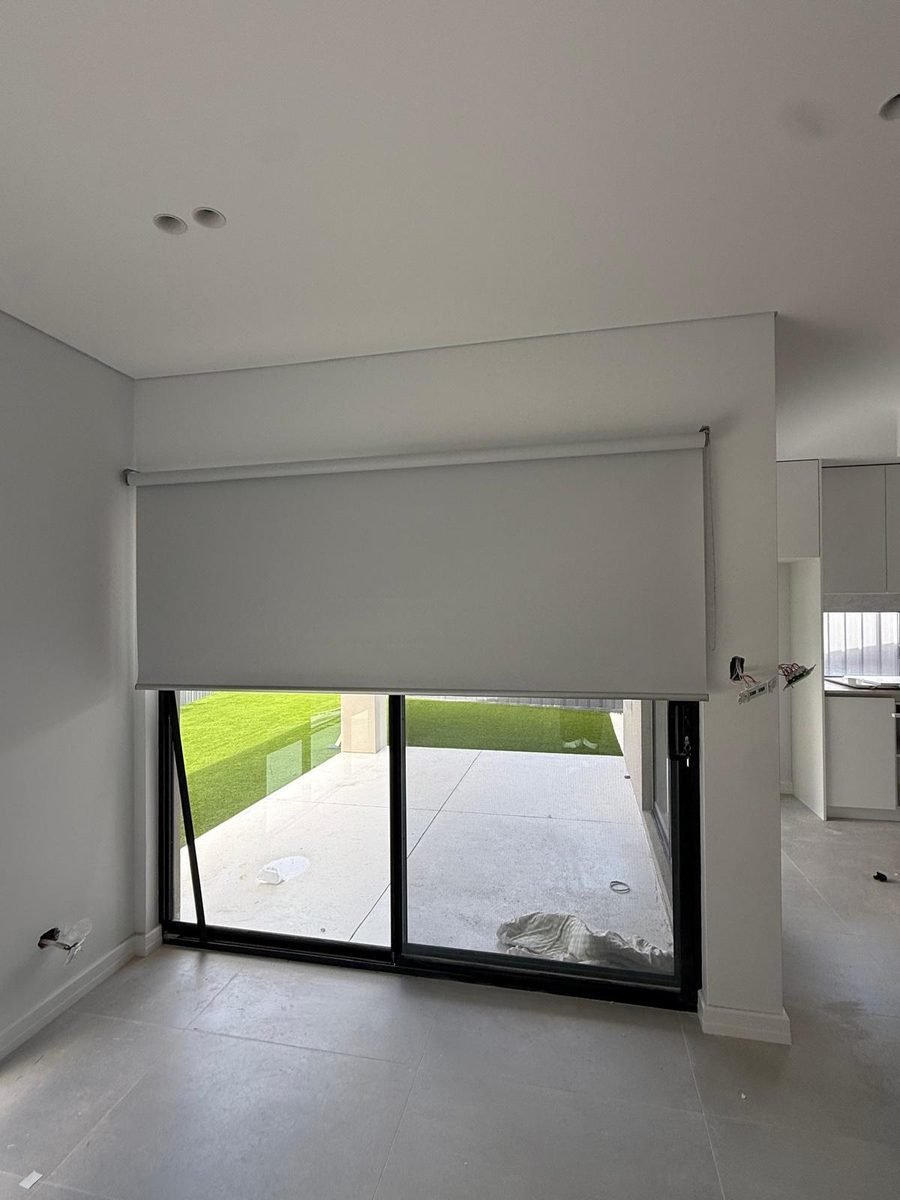
Perth homes give a tape measure a harder workout than most. Big sliding doors, wide living room windows, bay windows in older Fremantle and Subiaco cottages, and the tall narrow windows of new builds in Alkimos, Baldivis and Ellenbrook all measure differently. Frames are rarely perfectly square and sills slope. Guessing, or measuring once at the top and hoping for the best, ends in a blind that jams, gapes or lets in a bar of afternoon sun.
The good news is that measuring for blinds is not hard. It needs a steel tape, a pencil, a notepad and about ten minutes per window. It needs patience more than skill. This guide covers the job the way we do it on a professional measure, and if you would rather skip the tape altogether, our measure is free across Perth, so get in touch and we will do it for you.
In This Guide
- Inside Fit or Face Fit: Decide This First
- The Tools You Need (and the Ones to Leave in the Drawer)
- Measuring the Width: Three Spots, One Number
- Measuring the Drop: Sills, Floors and Out of Square Openings
- How Measuring Changes by Blind Type
- Tricky Windows: Bays, Sliding Doors, Arches and Odd Shapes
- Seven Measuring Mistakes That Cost Perth Homeowners
- Frequently Asked Questions
1. Inside Fit or Face Fit: Decide This First
Before you measure a single millimetre, decide how the blind will sit on the window. Everything else flows from this choice, and measuring for one fit then ordering the other is the most common reason a blind comes back wrong. An inside fit mounts the blind inside the window reveal, between the two side jambs. It looks neat and built in, and it suits deep reveals in modern Perth homes. The blind has to be exact, and the reveal has to be deep enough for the brackets, usually at least 60 to 70 mm for a roller blind and more for a venetian.
A face fit mounts the blind on the wall or the architrave around the window, covering the whole opening and a margin of wall on each side. It is the forgiving option. It hides an out of square reveal, it covers light gaps at the edges, and it is the only sensible choice for shallow reveals, windows with protruding handles, and most sliding doors. It also blocks more heat, because the blind sits further from the glass and covers the full frame. If the reveal is deep, square and clear of handles, an inside fit looks superb. If any of those three things is in doubt, go face fit.
- Inside fit: blind sits inside the reveal, neat and built in, needs a deep square reveal
- Face fit: blind mounts on the wall or architrave, covers the whole opening, hides uneven reveals
- Face fit blocks more heat and light on west facing windows, which matters in a Perth summer
- Decide the fit first, then measure, never the other way around
2. The Tools You Need (and the Ones to Leave in the Drawer)
You need three things: a steel tape measure, a pencil, and a notepad or your phone. That is the whole kit. A steel tape is important because it does not stretch or sag the way a fabric tape does, and it stays straight when you hold it across a wide opening.
A laser measure is handy for a quick check of a big room, but do not trust it for the final numbers. Laser measures bounce off glass and shiny frames, and a reading that is three millimetres out is the difference between a blind that fits and one that binds. Use the laser to get a rough idea, then confirm every number with the steel tape. Leave the fabric sewing tape in the drawer. It stretches with use and sags across a wide window.
3. Measuring the Width: Three Spots, One Number
Width is where most measuring errors happen, because most people measure once, at the top, and call it done. In a real Perth home the width at the top of a window is often a few millimetres different from the width at the bottom. Measure in three places: across the top, across the middle, and across the bottom. For an inside fit, measure from the inside face of one jamb to the inside face of the other, at all three heights, and order the smallest of the three numbers, because the blind has to fit through the narrowest point of the reveal.
Do not add anything and do not round up. The manufacturer will deduct a small amount, usually 5 to 10 mm, so the blind clears the sides and runs freely. If you add your own deduction on top of theirs, the blind comes back too narrow and light leaks in at the edges. For a face fit, measure the width of the opening, then add 50 to 70 mm of overlap on each side, which covers the frame and the architrave and stops light sneaking around the edges. For a roller blind check whether the number you give is the overall width or the fabric width, because that single misunderstanding causes more returns than any other.
- Measure width at the top, middle and bottom, and use the smallest number for an inside fit
- For a face fit, add 50 to 70 mm of overlap on each side to cover the frame and block light
- Never add your own deduction for an inside fit, the maker already allows for clearance
- Check whether the width you give is fabric width or overall width including brackets
4. Measuring the Drop: Sills, Floors and Out of Square Openings
The drop is the vertical measurement, and it has its own traps. Measure it in three places: down the left side, down the middle, and down the right side. For an inside fit, measure from the top of the reveal to the sill. For a face fit, measure from where the top of the blind will sit to where you want the bottom to finish, which is usually the sill or a few millimetres past it. Here the rule is the opposite of the width rule. For the drop, order the longest of the three measurements.
A blind that is too short leaves a gap at the bottom, and a gap at the bottom of a bedroom blind means a strip of morning light right across the bed. Watch the sill. Many Perth windows have a sill that slopes slightly outward, so measure to the highest point so the blind does not drag on one side. For floor length blinds on a sliding door, measure to the floor and note the floor covering. A blind that clears a hard floor by 10 mm will drag on thick carpet,.
5. How Measuring Changes by Blind Type
The basic width and drop method is the same for every blind, but each type has its own detail that changes the numbers. Roller blinds are the simplest to measure, and the most often ordered wrong, because of the bracket question. The fabric is always narrower than the overall width, because the brackets and the control mechanism sit on each side. A roller listed as 1200 mm wide may have fabric only 1160 mm wide. If you need the fabric to cover the full opening, tell your supplier the fabric width you need, not the overall width. For a blockout roller in a bedroom, go face fit with generous overlap, because the small gaps at the edges are where morning light gets in.
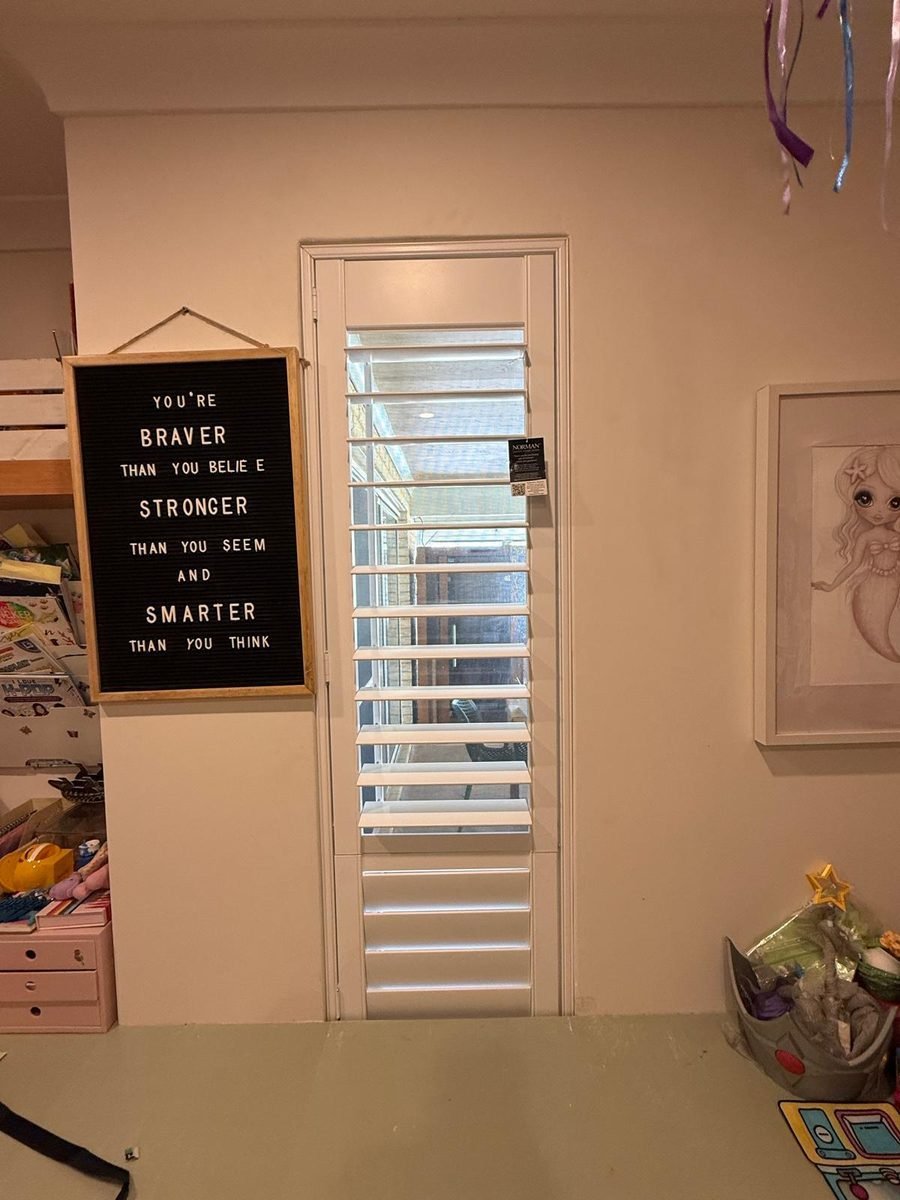
Venetian blinds need depth as well as width. The slats stack up when the blind is raised, and the headrail needs room to sit in the reveal without fouling the window handle. Measure the depth of the reveal and check it against the headrail size. If the reveal is too shallow, go face fit. Plantation shutters are built to the opening, not just cut to a width, so the measurements need to be exact and the opening needs to be square. This is the one product where we always recommend a professional measure, because a shutter frame forced into an out of square opening will never sit true. See plantation shutters for styles and costs.
Vertical blinds and panel glides need stack space. When the blind is drawn open, all the vanes or panels gather at one end, and that stack takes up 15 to 20 percent of the total width. Measure the full width of the opening, then work out where the stack will sit. If the stack sits over the glass, it will block light and part of the view even when the blind is open. Allow extra track length so the stack can sit over the wall beside the window or door, and check the door handle clearance, because vanes that catch on a handle every time the door slides will not last long. See our vertical blinds guide for the full detail.
6. Tricky Windows: Bays, Sliding Doors, Arches and Odd Shapes
Most Perth homes have at least one window that does not play by the rules. Bay windows are the classic case. A bay has three faces at angles to each other, and each face is measured as its own window. Measure each face separately, and measure the angles between the faces too, because the blinds meet at the corners and the corner gap is where light and draught get in. For a bay, the blinds are usually face fitted on each face, or a single track is bent to follow the bay. Either way, this is a job for a professional measure.
Sliding doors are the other big one in Perth. Measure the full width of the door frame, not just the glass, and measure the drop to the floor. Check the handle: measure how far it sticks out from the frame, because a blind that hangs too close will catch on the handle every time the door slides. If the door opens onto an alfresco area, think about outdoor blinds too. Arched and raked windows, common in newer two storey homes around Joondalup, cannot take a standard rectangular blind, so measure the width and the drop at the tallest and shortest points, sketch the shape, and take a photo.
7. Seven Measuring Mistakes That Cost Perth Homeowners
We see the same seven mistakes again and again on remakes and call backs. Every one of them is avoidable, and every one of them starts with rushing the measure. The first is measuring in centimetres and rounding. Always measure in millimetres and write the exact number. A window that is 1234 mm wide is not 123 cm, and rounding to the nearest centimetre can put the blind 4 mm out, which is enough to jam in the reveal. The second is measuring only once, in one spot. Width and drop both change across a real opening, so measure three times across and three times down, and use the smallest width and the longest drop. The third is adding your own deductions. The manufacturer already allows for clearance inside a reveal, so if you deduct 10 mm and they deduct 10 mm, the blind comes back 20 mm narrow and the light pours in at the edges. The fourth is forgetting the brackets, which add width on a roller blind and depth on a venetian. The fifth is ignoring the window furniture. Handles, locks, winders and security screens all stick into the reveal, so measure how far they protrude and check the clearance before you order. The sixth is measuring the wrong window, so label every measurement with the room and the window. The seventh is measuring a window that is about to change. If new carpet is coming or the architrave is being replaced, wait until the work is done. When in doubt, book a free professional measure and let us take the risk instead of you. We measure across Perth every day, from Yanchep to Mandurah, and a measure booked with a quote costs you nothing. Get in touch and we will find a time that suits.
- Measure in millimetres, never centimetres, and never round
- Measure width and drop in three places each
- Do not add your own deductions, the maker allows for clearance
- Check bracket space, handle clearance and security screens
- Label every measurement with the room and window
- Wait until new carpet, architraves or resealing work is finished before measuring
Frequently Asked Questions
Q. Should I measure in millimetres or centimetres?
Always millimetres. Blinds are made to the millimetre, and rounding to centimetres can put a blind several millimetres out, which is enough to jam in a reveal or leave a light gap at the edge.
Q. How much should I deduct for an inside fit blind?
Nothing. The manufacturer makes the deduction for you, usually 5 to 10 mm, so the blind clears the sides of the reveal and runs freely. If you deduct as well, the blind comes back too narrow.
Q. Can I measure for shutters the same way as blinds?
The basics are the same, but shutters need more care. They are built to the opening with a frame, so the opening needs to be checked for square and the fixing surface needs to be solid. A shutter frame forced into an out of square opening will never sit true, so we recommend a professional measure for shutters.
Q. What if my window is not square?
Most windows are not perfectly square, and a few millimetres is normal. Measure the width at the top, middle and bottom and use the smallest number, and measure the drop in three places and use the longest.
Q. Do you offer a free measure in Perth?
Yes. Our measure and quote service is free across the Perth metro area, from Yanchep in the north to Mandurah in the south. Book through our contact page or give us a call.
Q. Can I measure for blinds if I have security screens fitted?
Yes, but allow for them. Measure how far the screen frame sits into the reveal and check the clearance for the blind brackets. In most cases a face fit is the answer, because it mounts clear of the screen.