Motorised blinds come up in almost every consultation we do now, and the question is usually the same: is it actually worth the extra spend, or is it just a showroom upsell? The honest answer depends on which windows you're motorising, how you'll use them day to day, and which motor system suits your home. This guide walks through what drives the cost, the real trade-offs between motor types, and where we see the upgrade genuinely pay for itself in convenience and comfort.
In This Guide
1. What Motorisation Actually Changes
At its simplest, a motorised blind replaces a manual chain, wand or spring mechanism with a small motor housed inside the roller tube or headbox, operated by a remote, wall switch or smartphone app. Beyond the obvious convenience, motorisation is also a genuine safety upgrade. Cordless operation removes a strangulation hazard for households with young children, which is why it's increasingly the default recommendation for bedrooms and children's rooms regardless of budget.
2. What Drives the Cost
Three things move the price most: the motor type (battery-powered units are generally cheaper to install than hardwired, since no electrician is needed), the size and weight of the blind (wider or heavier fabrics need a stronger, sometimes more expensive motor), and the brand and control system you choose, since app and voice-assistant compatible motors typically cost more than a basic remote-only unit. As a general pattern across the market, the motor upgrade itself adds a moderate premium per blind on top of the manual price. Outdoor and larger openings carry a bigger premium than a single indoor roller blind, given the added load the motor needs to handle.
Local tipIf budget is tight, motorise your three or four most-used or hardest-to-reach windows first rather than the whole house. That's usually where the daily convenience payoff is highest, and you can add more motorised blinds later as funds allow.
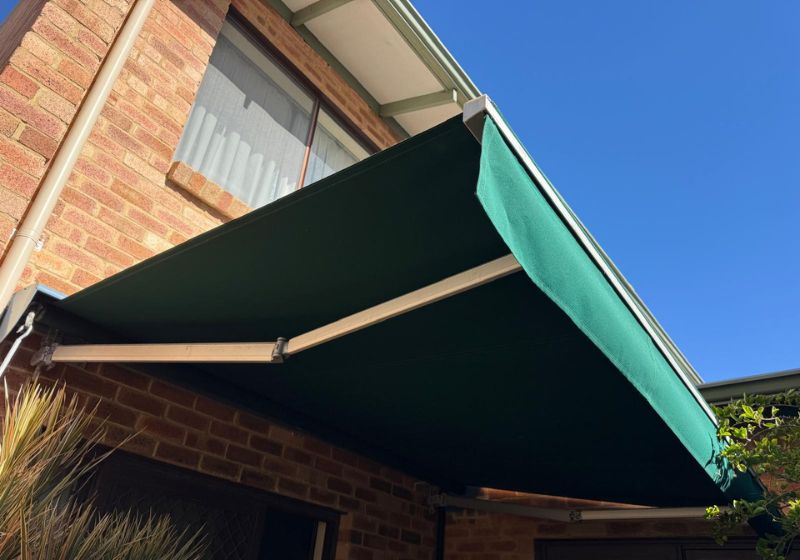
A compact motor unit built into the awning or blind housing enables remote and app-based control.
3. Battery vs Hardwired Motors
Battery motors are the easier retrofit option, since there's no need to run new wiring or bring in an electrician. This makes them the more popular choice for existing homes and renovations where opening up walls isn't practical. The trade-off is periodic recharging, with most rechargeable battery packs needing a top-up every several months depending on how often the blind is used, and eventual battery replacement after some years of daily use.
Hardwired motors suit new builds or larger renovations where an electrician is already on-site, and remove the recharging question entirely. A real advantage for blinds you'll operate multiple times a day, such as living area or bedroom blinds. Both options run quietly and both can typically be linked into broader smart home or automation systems, so the choice usually comes down to whether you're retrofitting an existing home or building the wiring in from the start.
Weighing Up Manual vs Motorised?
Our team measures and advises on-site, completely free, with no pressure to buy.
4. Which Windows Benefit Most
Motorisation earns its keep fastest on windows that are genuinely awkward or unsafe to operate manually: high-set living area windows, skylights, blinds above stairwells, and anything requiring a ladder or step stool to reach a manual chain. Wide spans on roller blinds or slide track blinds also benefit, since the fabric and weight involved can make manual operation stiff or awkward over time. It's also a genuinely useful accessibility upgrade for elderly residents or anyone with limited mobility, letting them control light and privacy without needing to physically reach or pull a cord.
On the other hand, small, easy-to-reach, rarely-used windows (a compact bathroom or laundry blind, for example) are usually better served by a manual mechanism, since the convenience upgrade barely gets used and the cost is better spent elsewhere.
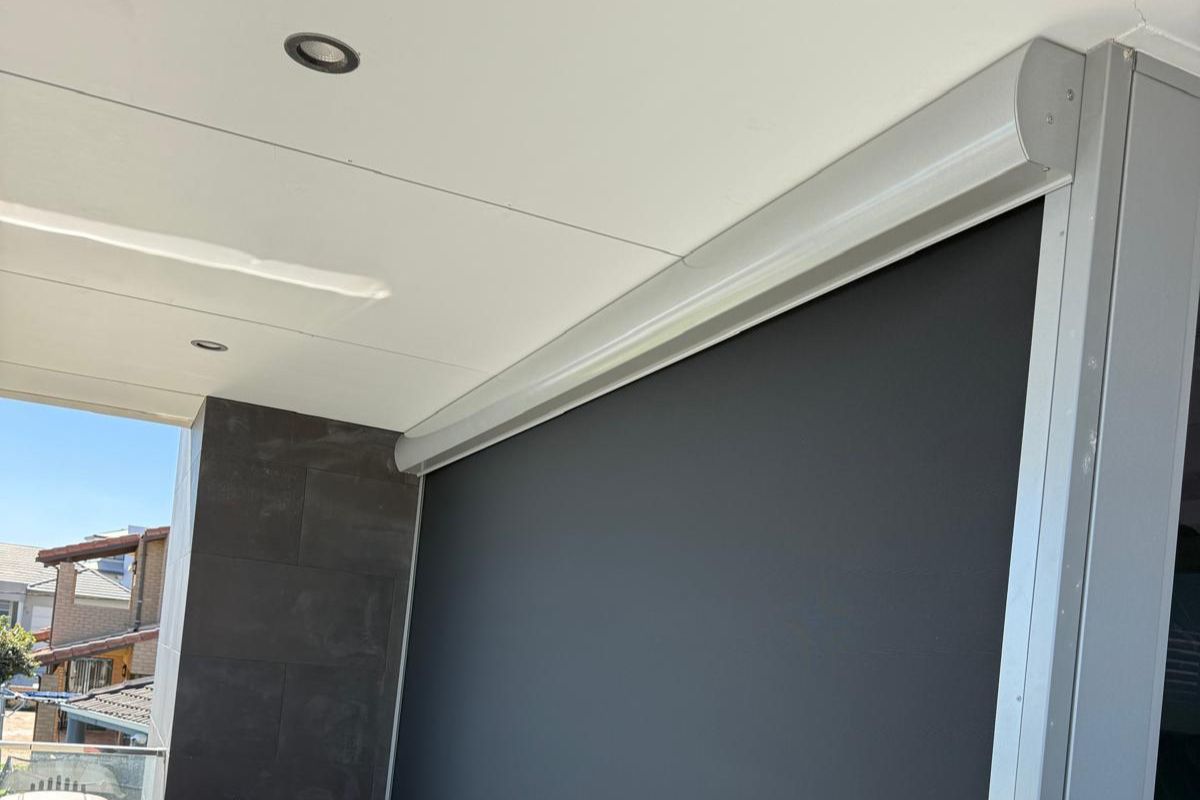
Wide outdoor openings like Ziptrack blinds are one of the strongest cases for motorising, given the size and weight involved.
5. Motorising Outdoor Blinds & Awnings
Outdoor applications are where motorisation makes the most obvious sense for many Perth homes. Ziptrack blinds and retractable awnings are often large, heavy and exposed to wind, which makes manual operation genuinely effortful on bigger spans. A motor turns what might be a two-hand, two-minute job into a single button press. It also means you're more likely to actually use the blind daily to manage heat and glare on your alfresco, rather than leaving it in one position because operating it manually is a hassle, which is where a lot of the real-world energy and comfort benefit comes from.
6. Smart Home & Automation Integration
For homes already using a smart home platform, many motor brands can be linked into broader automation routines, such as blinds opening with your lights in the morning, or closing automatically during the hottest part of the day to reduce cooling load. This kind of scheduled operation is where motorisation moves from "convenient" to genuinely useful for comfort and energy management, since blinds that consistently close during peak heat hours help take pressure off your air conditioning through a long Perth summer, even on days you're not home to think about it.
7. So, Is It Worth It?
Our honest view: motorisation is rarely worth it across every single window in a home, but it's very often worth it for a handful of the right windows, the ones that are hard to reach, get used constantly, or matter for safety and accessibility. Start with those, choose a motor type that matches whether you're retrofitting or building new, and treat the rest of the house as manual unless a specific window gives you a reason to upgrade. If you're weighing this up alongside a broader project, it's worth reviewing our outdoor blinds and awnings guide and our full range of services so motorised and manual choices are planned together rather than window by window.
Frequently Asked Questions
Q. How much extra does motorisation add to a blind?
Motorisation typically adds a few hundred dollars per blind on top of the manual price, with the exact amount depending on motor type (battery or hardwired), blind size and brand. Outdoor and larger openings generally carry a bigger motorisation premium than a standard indoor roller blind.
Q. Is battery or hardwired better for motorised blinds?
Battery motors are simpler to retrofit since no electrician is required, making them popular for existing homes, while hardwired motors suit new builds or renovations and avoid the need for periodic recharging on blinds used every day.
Q. Which windows benefit most from motorised blinds?
Hard-to-reach windows such as those above stairwells, high-set living areas and skylights see the clearest benefit, along with wide or heavy blinds that are awkward to operate manually, and any home where accessibility for elderly or mobility-limited residents is a priority.
Q. Can motorised blinds be added to an existing home?
Yes. Most blind types can be manufactured with a motorised option, and in many cases an existing manual blind can be assessed for a motor retrofit during an on-site visit, though the frame and mechanism need to be compatible. See our blinds buying guide for more on choosing the right blind type first.