Dual roller blinds in Perth solve the one problem every single blind leaves you with: a blockout blind gives you darkness and privacy at night but shuts out the day, while a light filtering blind keeps the view but leaves you exposed after dark. A dual setup puts both blinds on one bracket, so you switch between them with a pull of a chain instead of living with a compromise all day.
If your living room faces the street, you will know the daily dance well. Sunscreen down in the morning so neighbours cannot see in, blockout down at night for real privacy, and a bare window in between because neither blind alone does both jobs. Dual rollers end that dance. You get soft daylight and privacy while the sun is up, and full darkness once it goes down.
We fit dual roller blinds across the Perth metro area, from coastal homes in Fremantle, Cottesloe and Scarborough to new estates in Ellenbrook, Alkimos and Baldivis.
In This Guide
- What Dual Roller Blinds Actually Are
- How They Handle a Perth Day, Start to Finish
- Choosing the Day Layer: Sunscreen Openness Explained
- The Night Layer: Blockout, Colour and Heat
- Where Dual Rollers Work Best Around the Home
- Dual Rollers Compared With the Alternatives
- Measuring, Fitting and the Details That Matter
- Frequently Asked Questions
1. What Dual Roller Blinds Actually Are
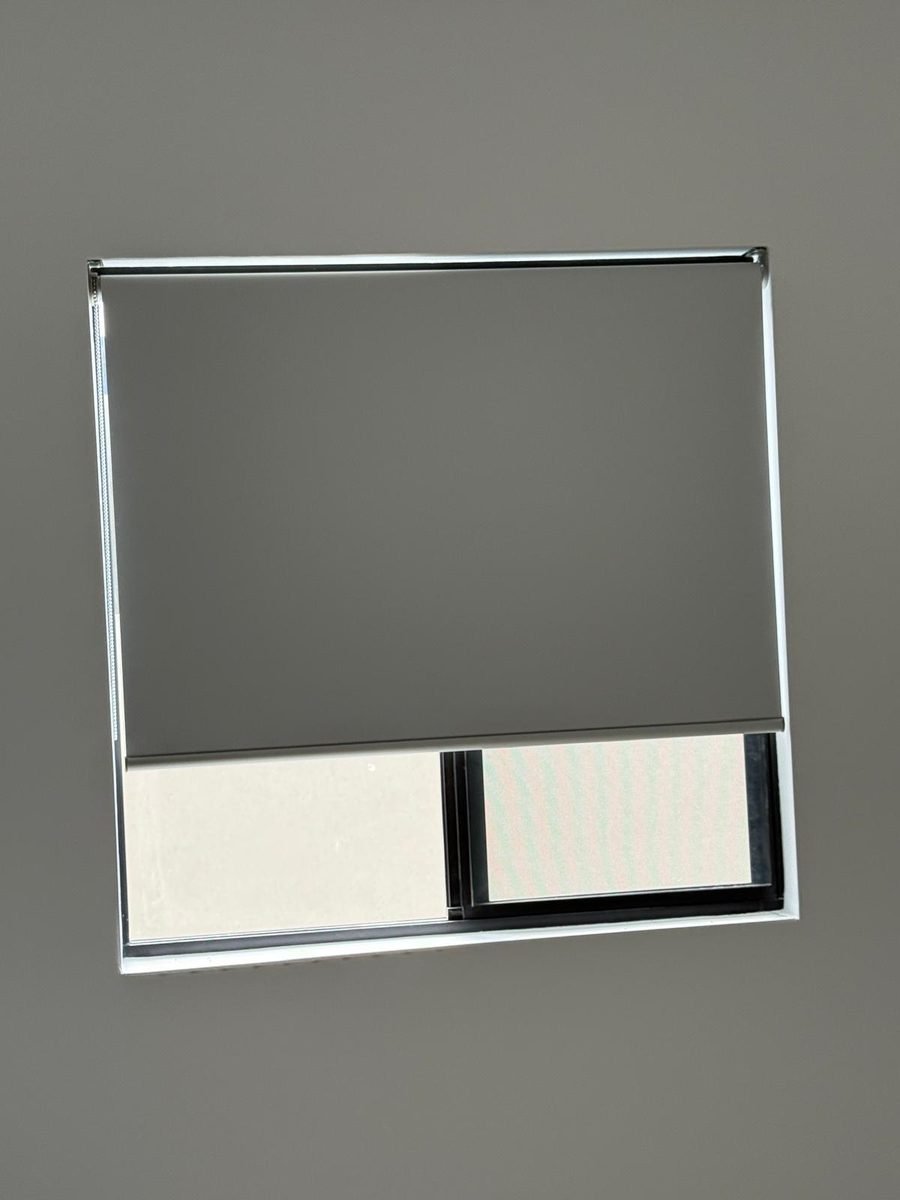
A dual roller blind is two roller blinds on one double bracket. The front roller, the one closest to the room, usually carries a sunscreen fabric. The back roller, closest to the glass, carries a blockout fabric. Each roller has its own chain or motor, so you lower whichever layer suits the moment and leave the other one rolled up out of sight.
That sounds simple, and it is, which is part of the appeal. There are no extra tracks and no second fitting visit. From inside the room you see one tidy blind with a slim fascia across the top. The second blind only appears when you need it. The bracket itself is a little deeper than a single roller bracket, because it has to hold two tubes, so the measurer will check your window reveal has room for it, or recommend a face fit if it does not.
- Front roller: a sunscreen or light filtering fabric that cuts glare and gives daytime privacy while keeping your view
- Back roller: a blockout fabric that shuts out light and gives full privacy at night
- One double bracket: both rollers share a single neat fitting, with a fascia or pelmet available to hide the hardware
- Independent controls: a chain or motor for each layer, so each blind moves on its own
2. How They Handle a Perth Day, Start to Finish
Perth days ask a lot of a window. The morning sun hits east facing glass hard, the afternoon sun punishes west facing rooms, and the Fremantle Doctor pushes glare sideways through coastal windows in suburbs like City Beach and Trigg. A single blind copes with one part of that day and struggles with the rest.
With dual rollers, the morning is easy. Drop the sunscreen layer and you cut the glare on the breakfast table while still seeing the garden, and anyone walking past sees fabric, not your living room. As the afternoon builds, drop the blockout layer on the west facing windows before the heat peaks. That one habit makes a real difference at 5 pm in February, because the blockout layer stops most of the sun at the glass instead of letting it heat the room. In the evening, when the lights go on and the glass turns into a mirror, the blockout layer is already where you need it.
- Morning: sunscreen down, glare cut, view kept, neighbours kept out
- Afternoon: blockout dropped on west facing glass before the worst heat builds
- Evening: blockout down for full privacy as inside lights come on
- Night: full darkness for sleep, with both layers down if you want extra insulation
3. Choosing the Day Layer: Sunscreen Openness Explained
The day layer is where most buyers get stuck, because sunscreen fabric comes in openness levels and the numbers mean nothing until someone explains them. Openness is simply how much of the fabric is open weave. A 1 percent fabric is nearly closed, so it gives strong privacy and glare control but softens your view. A 10 percent fabric is much more open, so the view stays bright and clear, but so does the view in from outside. Most Perth living rooms land on 3 percent or 5 percent.
Colour matters too, and it works the opposite way to what most people expect. A darker sunscreen fabric actually gives you a clearer view through the weave, because your eye reads past the dark threads to the bright scene outside. A lighter fabric reflects more heat back towards the glass, which helps on hot glass, but the view through it looks slightly hazier. A ground floor window on a busy street in Joondalup needs a tighter weave than an upstairs window looking over a private garden in Willetton.
- 1 percent openness: the most private sunscreen, strong glare control, view softened
- 3 percent openness: the common middle ground, good privacy with a clear view
- 5 percent openness: a brighter view, less privacy, suits upper floors and private gardens
- 10 percent openness: the clearest view, daytime privacy only when neighbours are far away
4. The Night Layer: Blockout, Colour and Heat
The night layer is a blockout fabric, and its job is straightforward: stop light and give privacy. Blockout fabrics have a coated backing that blocks most light from passing through, which is why a blockout roller can turn a street lit bedroom properly dark. A little light always slips around the edges of any roller blind, but a well fitted blockout roller gets close, and side channels close the gap further if total darkness matters to you.
Colour choice on the night layer is mostly about heat and looks. A pale blockout fabric reflects more of the afternoon sun back towards the glass, which helps on west facing windows that cop the worst of a Perth summer. A dark blockout fabric absorbs more heat and can feel warmer to the touch on a hot afternoon, but it blends beautifully with dark window frames and modern decor. If the window in question is a west facing bedroom in a newer estate with no shade, pale is the practical pick. If it is a media room or a south facing window that never sees direct sun, choose the colour you like looking at.
- Pale colours reflect more heat off west facing glass in summer
- Dark colours suit rooms where you want the blind to blend with dark frames or decor
- Side channels reduce the light gap at the edges for darker bedrooms
- A fascia across the top hides the double bracket and finishes the look
5. Where Dual Rollers Work Best Around the Home
Living rooms are the classic dual roller room, because they face the street and get used all day. A living room in Subiaco or Mount Hawthorn with a big front window needs privacy from foot traffic in the morning, glare control in the afternoon, and full privacy in the evening, and dual rollers cover all three. Bedrooms come a close second. For shift workers, and kids who wake at the first summer sunrise, that darkness is sleep itself, and dual rollers give it without giving up daylight privacy.
Home offices are an underrated case. A sunscreen layer cuts the glare on a laptop screen while keeping natural light in the room, which beats working in a dark room with the blockout down all day. Kitchens suit dual rollers too, because roller fabrics wipe clean and handle steam far better than soft furnishings. Sliding doors deserve a note: dual rollers work well on standard sliding doors, but very wide spans may need two blinds side by side so the blind does not sag or become hard to pull.
- Living rooms: daytime privacy from the street plus full evening privacy, no curtains needed
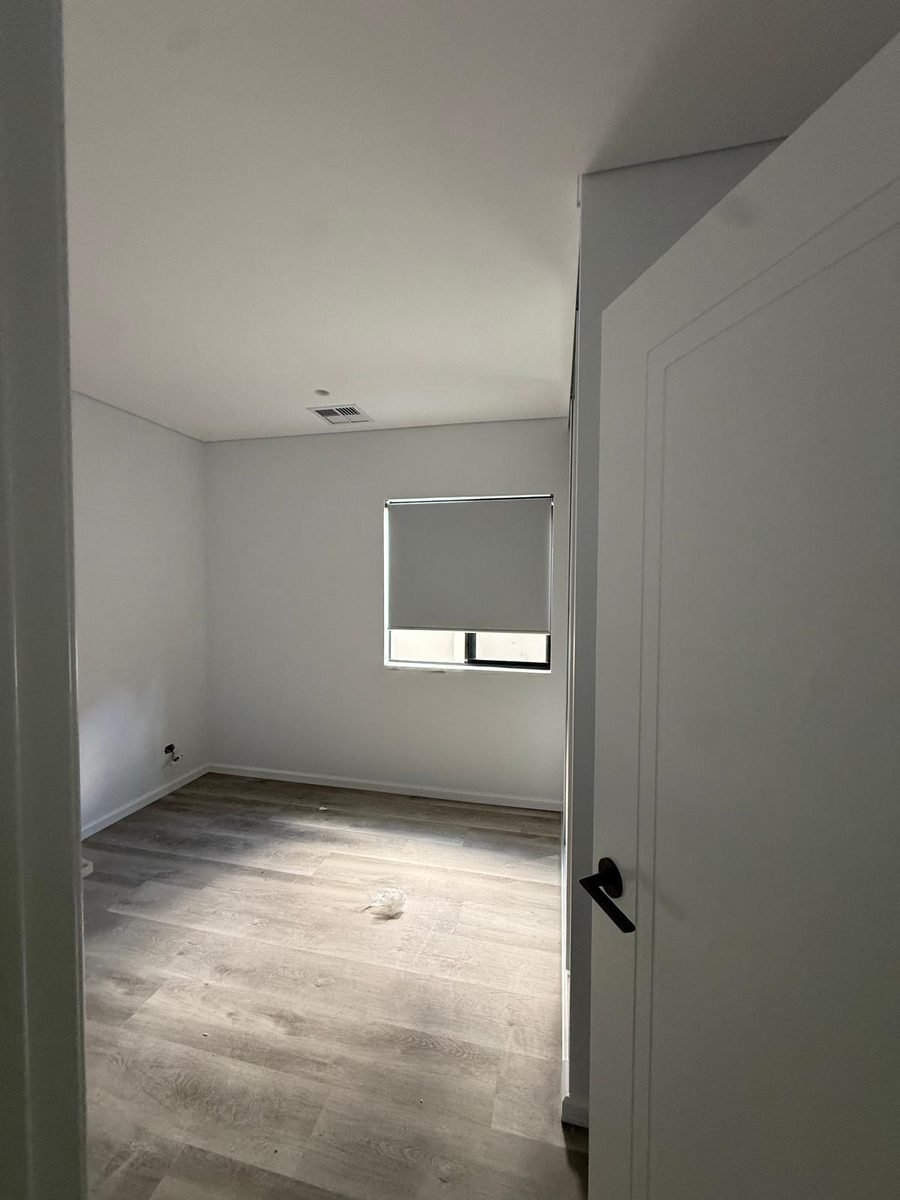
- Bedrooms: soft daylight by day, real darkness at night, ideal for shift workers and kids
- Home offices: sunscreen layer kills screen glare while keeping natural light
- Kitchens: easy wipe fabrics handle steam and cooking splashes better than soft furnishings
- Sliding doors: dual rollers suit standard doors, and wide spans can be split into two blinds side by side
6. Dual Rollers Compared With the Alternatives
The closest alternative is a single roller blind paired with sheer curtains. Sheers give a softer, more dressed look, and they suit formal living rooms beautifully. The trade off is two fittings, more fabric to wash, and a curtain that moves in the breeze every time the Doctor picks up. Dual rollers give you the same two layer idea in one tidy fitting, with fabrics that wipe clean instead of needing a wash.
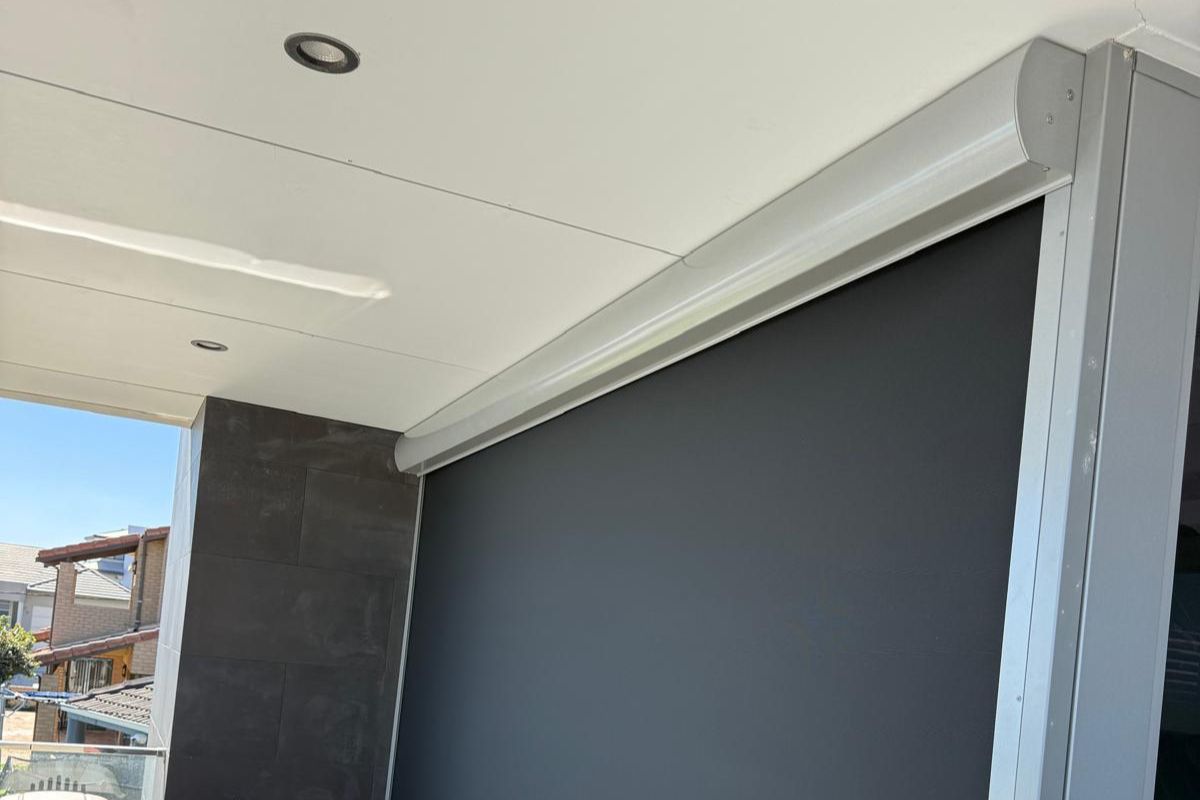
Against plantation shutters, dual rollers win on price and lose on permanence. Shutters are a rigid fitted feature that lasts for decades and suits character homes, but they cost significantly more per window. Against venetians, dual rollers win on ease of cleaning and on darkness at night, because venetian slats always leak some light. Against outdoor blinds, the comparison is about heat: outdoor blinds shade the glass from outside, which is the most effective heat control there is, while dual rollers manage heat from inside.
- Single roller plus sheer curtains: softer look, but two fittings and more fabric to clean
- Plantation shutters: the premium fitted look and the longest life, at a higher price
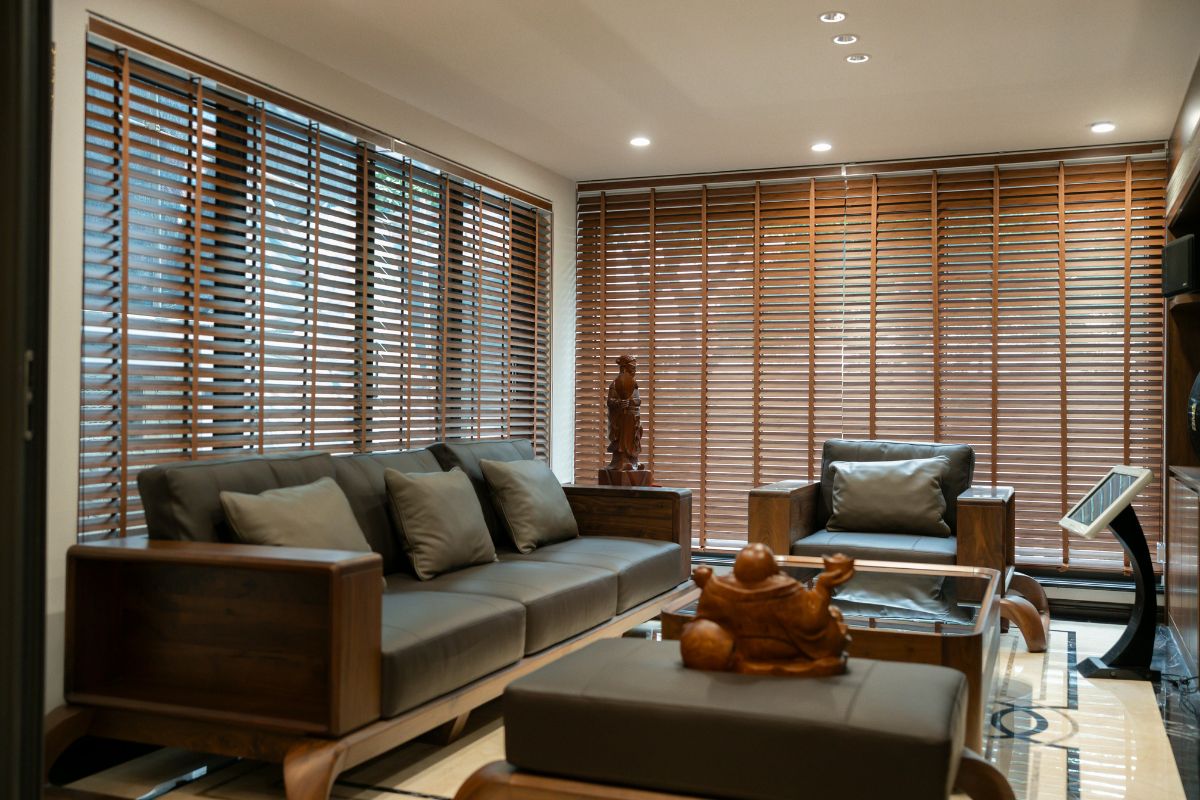
- Venetian blinds: strong light control at a mid range price, but slats collect dust
- Outdoor blinds: the best heat control of all, because shade sits outside the glass
7. Measuring, Fitting and the Details That Matter
Dual rollers need a little more care at measuring time than a single roller, because the double bracket is deeper. If your window reveal is deep enough, a recess fit tucks both rollers neatly inside the opening. If it is not, a face fit mounts the bracket on the wall or architrave above the window, which looks just as tidy once the fascia goes on.
Control choice is worth a proper conversation too. Chains are reliable, cheap and easy to replace, and they suit most windows. Motors suit high windows, windows behind furniture, and anyone who wants every blind in the house on one remote or on a timer. Motorised dual rollers are a genuine upgrade in a two storey home, where the void windows are otherwise a ladder job every evening. Chain safety matters in homes with small children, so ask for chain tension devices and keep loops secured. When you are ready, get in touch for a free measure and quote, and we will talk through fabric, fit and control for each room before you spend a cent.
- Face fit or recess fit: the measurer checks your reveal depth and recommends the neater option
- Fascia or pelmet: hides the double bracket and gives a finished, built in look
- Chain or motor: motors suit high windows, hard to reach windows and whole house control
- Child safety: chain tension devices keep loops tidy and out of reach of little hands
Frequently Asked Questions
Q. How much do dual roller blinds cost in Perth?
Dual roller blinds typically cost more than a single roller blind for the same window, because you are buying two blinds and a double bracket instead of one. A standard window typically sits in the mid hundreds of dollars fitted, while a large living room window or a sliding door typically moves higher. Motorisation, a fascia to hide the bracket, and side channels each add to the figure. A free measure and quote is the only way to get an exact price for your windows.
Q. Can I use each blind on its own?
Yes, that is the whole point. Each roller has its own control, so you run the sunscreen layer on its own during the day and the blockout layer on its own at night. You can also run both together when you want full privacy with an extra layer of insulation. If you choose motorisation, each layer gets its own channel on the remote, so you are never stuck moving both blinds when you only want one.
Q. Do dual roller blinds keep heat out in summer?
They help a lot, but it is worth being honest about what each layer does. The sunscreen layer cuts glare and takes the sting out of direct sun while keeping your view, which keeps a living room usable on a hot afternoon. The blockout layer, dropped on west facing glass before the worst of the afternoon heat, stops most of the sun getting through at all. For the harshest glass, such as an unshaded west facing wall in Baldivis or Alkimos, pairing indoor blinds with outdoor blinds gives the strongest result, because shade outside the glass beats shade inside it.
Q. Are dual roller blinds good for bedrooms?
Yes, and this is one of the rooms where they shine. Bedrooms need two opposite things: privacy and soft light during the day, and real darkness at night. The sunscreen layer covers the daytime half, giving you privacy from the street without living in a dark room. The blockout layer covers the night half, shutting out street lights and early summer sunrises. If your bedroom faces a busy street in Mount Lawley or Victoria Park, dual rollers solve both problems without needing curtains as well.
Q. How do I get a quote for dual roller blinds in Perth?
Book a free measure and quote through our contact page. We measure every opening, check whether a face fit or a recess fit suits each window, and talk through sunscreen openness, blockout colour and chain or motor control for each room. You get a written quote with fabric, bracket and fitting listed, so you can compare it fairly with any other quote.